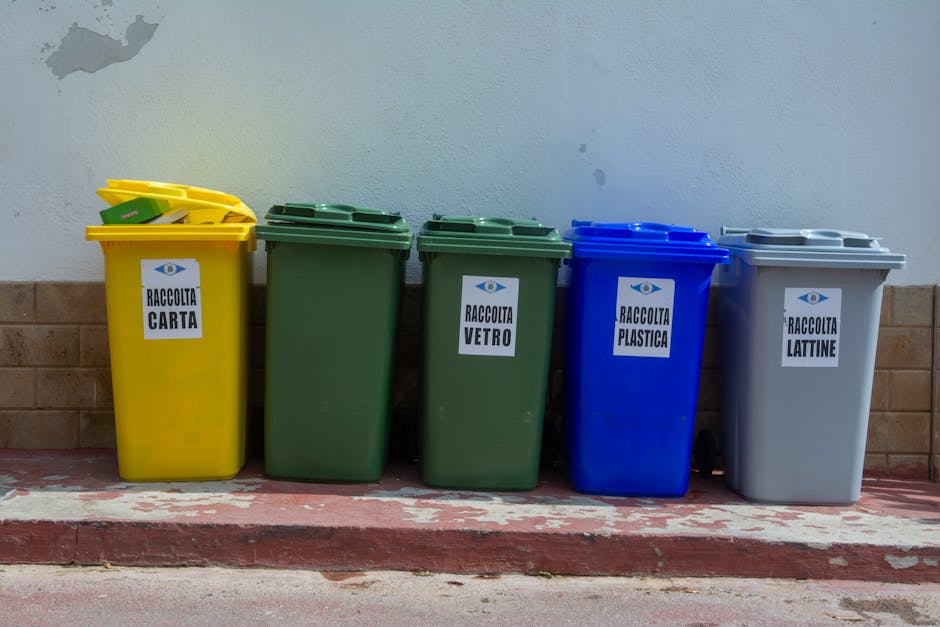
Victoria Park garden waste collection recycling East London
If your garden is overflowing with cuttings, branches, old turf, or that awkward pile of pots and soil bags, you are not alone. Victoria Park garden waste collection recycling East London is one of those services people tend to think about only when the patio is suddenly buried under clippings and the green bin is full again. Then reality kicks in. What do you do with the rest?
This guide explains how garden waste collection and recycling works in and around Victoria Park, why it matters, and how to handle it in a way that is practical, tidy, and genuinely efficient. Whether you are clearing up after a weekend trim, a bigger landscaping job, or a full seasonal reset, the aim is simple: make the job easier and keep as much material as possible moving toward the right recycling route. Fairly sensible, really.
We will also cover the common mistakes people make, how to sort mixed garden waste, what to expect from a local collection service, and when it makes more sense to book a broader clearance such as garden clearance or even wider waste removal if the job has grown arms and legs.
- Why it matters
- How it works
- Key benefits
- Who needs this service
- Step-by-step guidance
- Expert tips
- Common mistakes to avoid
- Tools, resources and recommendations
- Law, compliance and best practice
- Options and comparison
- Real-world example
- Practical checklist
- Conclusion
- Frequently asked questions
Why Victoria Park garden waste collection recycling East London Matters
Garden waste sounds simple until you actually start bagging it up. One shrub trim becomes three sacks. Three sacks become a boot full of wet leaves, soil, and broken stems. And if you live in a flat, maisonette, terrace, or shared property near Victoria Park, storage space is usually the first thing to disappear. That is where a proper collection and recycling approach earns its keep.
The main point is not just removing waste quickly. It is separating recyclable green material from general rubbish so it can be processed correctly. Grass cuttings, hedge trimmings, branches, leaves, and small prunings can often be recycled into compost or soil improvers after appropriate treatment. That is a much better outcome than mixing everything together and sending it off as general waste. Less landfill pressure, cleaner sites, and a much neater garden at the end of it.
Victoria Park itself sits in a dense East London setting where access can be tricky, parking can be limited, and garden jobs are often squeezed into busy weekends. Because of that, collection needs to be fast, tidy, and well organised. A good local service understands the rhythm of the area. You do not want a drawn-out process with bags left by the front gate for two days. Nobody enjoys that smell on a warm afternoon, let's be honest.
It also matters from a practical household point of view. Garden waste left to pile up can attract pests, block pathways, and make outdoor spaces unpleasant to use. If you are preparing a property for letting, sale, or a family event, clearing green waste early can change the whole feel of the space. Suddenly the garden looks like part of the home again rather than a work site.
How Victoria Park garden waste collection recycling East London Works
Most garden waste collection services follow a fairly straightforward process, but the details matter. At its best, it is organised, predictable, and designed to keep the material in the right stream from the start.
Here is the simple version. You gather the green waste, separate anything that should not be mixed in, and arrange collection. The waste is then loaded, transported, and taken to a facility where recyclable garden material can be processed. Some providers can also remove larger garden-related items in the same visit, especially if your garden job has turned into something bigger than you planned. It happens. More often than people admit.
The key is sorting. Clean green waste is usually the easiest material to recycle. That includes:
- Grass cuttings
- Leaves and small twigs
- Hedge trimmings
- Pruned branches
- Plants, flowers, and weeds without heavy contamination
Material like soil, rubble, plant pots, plastic ties, broken fencing, and timber treated with paint or chemicals usually needs separate handling. Mixed loads can still be collected, but they may not all go through the same recycling route. This is where services such as rubbish collection and rubbish clearance become useful, especially if the job includes both garden and general household debris.
In East London, access also shapes how the collection works. Narrow side passages, shared entrances, basement gardens, and permit-heavy streets can slow down a badly planned job. A good crew will ask the right questions beforehand: where the waste is stored, how much there is, whether there are steps, whether anything needs dismantling, and how close the vehicle can park. The more accurate the picture, the smoother the pickup.
Key Benefits and Practical Advantages
There is a very ordinary reason people like this service: it saves time and takes the pressure off. But the benefits go further than convenience.
1. Cleaner outdoor space, faster. A garden full of bags, branches, and wet leaves quickly feels smaller than it really is. Once removed, the space opens up again. You can actually see what needs doing next.
2. Better recycling outcomes. Green waste is one of the more recyclable waste streams when handled properly. Keeping it separate improves the chance that it is reused in composting or similar processing rather than being mixed down into general waste.
3. Less lifting and fewer trips. Anyone who has carried damp hedge clippings down stairwells or through a block entrance knows the joy of that. Or not joy, exactly. More like a slow regret. A collection service removes the awkward part.
4. Safer pathways and entrances. Loose branches and overfilled sacks can become trip hazards, especially around narrow front gardens, shared paths, or communal areas.
5. Helpful for larger garden projects. If you are replacing sleepers, redoing borders, or clearing a plot after renovation, the volume can jump quickly. At that point, a broader service like waste collection or waste clearance can be more practical than trying to manage everything piecemeal.
6. Less disruption in busy neighbourhoods. In Victoria Park and surrounding East London areas, people value a tidy street and a quick turnaround. A professional collection reduces the time waste sits outside.
Expert summary: The best garden waste collection is not just about removing a pile of clippings. It is about separating waste properly, moving it quickly, and making the most of recyclable green material without creating extra hassle for the property owner.
Who This Is For and When It Makes Sense
This service is useful for a much wider group than keen gardeners. In practice, it suits anyone dealing with green waste that is too bulky, too messy, or too mixed for normal household disposal.
You may need it if you are:
- A homeowner doing seasonal garden maintenance
- A tenant clearing a small patio or shared outside space before moving out
- A landlord preparing a property between tenancies
- A gardener or landscaper with leftover cuttings from a job
- A managing agent dealing with communal outdoor areas
- A business with planters, courtyards, or external frontage to maintain
It also makes sense when the waste is too awkward for your own vehicle. Wet grass and branches are heavier than people expect. A couple of bags can be manageable; ten bags after a wet weekend in East London, not so much. Truth be told, that is where many DIY plans quietly unravel.
If the job also includes old shelving from a shed, worn-out garden furniture, or a tired sofa that was stored outdoors during summer and never returned indoors, then you may want a mixed solution. A combination of garage clearance, furniture disposal, or even sofa removal can be more efficient than treating every item separately.
And if you are clearing a whole property after years of accumulated clutter, the garden is often just one piece of the picture. In those cases, home clearance or house clearance may be the better fit because they deal with the wider load rather than only the green waste.
Step-by-Step Guidance
If you want the process to go smoothly, a bit of preparation makes a big difference. You do not need to make it complicated. Just organised. Nicely organised, ideally.
- Separate green waste from general rubbish. Keep grass, branches, leaves, and plants together where possible. Put plastics, plastics ties, broken ceramics, and general household waste aside.
- Check for contamination. Soil clinging to roots is normal. Paint, oil, rubble, and mixed construction debris are not. Those require separate handling.
- Bundle loose branches if practical. It makes loading much faster and reduces mess. Twine is usually easier than tape and less annoying for the collection team.
- Gather waste into an accessible point. A front driveway, driveway edge, or ground-floor access point works best. If the waste is in the back garden, clear a path first if you can.
- Estimate volume honestly. A rough guess is fine, but be realistic. Underestimating is how collections turn into a second round of loading.
- Flag anything unusual. Large roots, heavy pots, old sleepers, treated timber, or sharp metal edging should be mentioned in advance.
- Arrange the collection time. Pick a time when someone can open gates, explain access, and confirm exactly what is being removed.
A small but useful tip: take a quick look at the waste in daylight before collection. Early morning light or late afternoon shadow can hide just how much is there. A pile that looks modest from the kitchen window can look very different up close. Annoyingly different.
For homes with mixed outdoor waste and leftover household clutter, a more general rubbish removal service can sometimes be the cleanest option, especially where access is tight and you want everything gone in one go.
Expert Tips for Better Results
After enough garden clearances, a few patterns stand out. The best results usually come from simple prep, not heroic effort.
Keep green waste dry where possible. Wet waste is heavier, messier, and harder to move. If you can store it under cover for a short time without making life awkward, it often helps. That said, do not leave it too long. A damp pile in summer starts to feel like its own ecosystem, which nobody needs.
Use separate piles. One for soft green waste, one for woody branches, one for non-organic extras. Even if the collection can take mixed loads, separation makes the job cleaner and easier to assess.
Think about access before you think about volume. A smaller garden with awkward stairs can take longer than a larger one with a straight path. In East London, access often matters as much as quantity.
Book earlier for weekend or end-of-month jobs. That is when everyone seems to remember their garden at once. It is a bit like everyone deciding to move house on the same Friday.
Ask about recycling routes. Not every load is identical. If sustainability matters to you, ask how mixed waste and pure green waste are handled differently. A good provider should be able to explain the broad process without fuss.
Match the service to the job. If you are removing tree cuttings from a small border, a light garden waste pickup may be enough. If you are gutting a shed, clearing a garage, and dealing with garden waste at the same time, then a broader option such as waste disposal or waste removal is usually more efficient.
Common Mistakes to Avoid
Most collection problems come down to a handful of avoidable mistakes. Nothing dramatic. Just the usual small things that snowball.
- Mixing green waste with builder's debris. Soil, bricks, plaster, and timber offcuts can change how the load must be handled.
- Overfilling bags. Heavy bags split, create mess, and waste time. They are no fun to carry either.
- Leaving hidden sharp items inside the pile. Broken canes, wire, glass, and rusty fixings can be dangerous.
- Forgetting about access restrictions. A locked gate, a narrow stairwell, or a vehicle height limit can turn a simple job into a delay.
- Assuming all garden waste is recyclable in the same way. Clean green waste and contaminated waste are not treated the same.
- Waiting until the pile becomes unmanageable. The sooner you deal with it, the easier and usually cheaper it is to manage.
One of the most common slip-ups we see is people clearing a garden after a DIY weekend and discovering the pile now includes broken fence panels, old compost bags, and leftover tiles from a path project. That is no longer just garden waste. It becomes mixed waste, and mixed waste needs a more careful approach.
If you are already in that situation, a broader service can save time and uncertainty. builders waste handling may be the right route if hard materials are involved, while a more general rubbish removal approach suits mixed domestic clutter.
Tools, Resources and Recommendations
You do not need a shed full of specialist kit to prepare garden waste properly. A few basic tools make a noticeable difference.
- Heavy-duty sacks or garden bags for leaves, cuttings, and smaller waste
- Rake and broom to gather loose debris and reduce scatter
- Loppers or secateurs for tidying awkward branches into manageable lengths
- Twine for tying bundles of branches
- Gloves for thorny clippings and rough edges
- Wheelbarrow or sturdy tub if the waste is spread through a larger garden
When the task goes beyond a standard tidy-up, think in terms of what needs to leave the property rather than what exact label it has. A cluttered shed at the back of the garden, old plant pots, broken storage, and green waste can often be removed together under a broader waste clearance job. That can be more practical than splitting every item into a separate trip.
For East London residents, local knowledge matters too. Victoria Park, Clapton, Hackney, Bow, and nearby neighbourhoods all have their own mix of terraces, flats, and shared access points. A provider familiar with the area will be less likely to get caught out by parking or access issues. If you want to understand broader coverage across the area, the East London service area overview is a useful place to orient yourself.
Law, Compliance, Standards, or Best Practice
Garden waste collection is not just a practical matter; there is a basic duty to make sure waste is handled responsibly. In the UK, waste should be transferred to an appropriate carrier and managed in line with accepted waste handling practices. You do not need to know every technical detail to make a sensible decision, but you should expect any collection to be lawful, tidy, and traceable in principle.
For householders, the safest approach is simple: do not leave garden waste in public areas, do not burn waste unless you are certain it is appropriate and permitted, and do not mix potentially hazardous materials into a green waste pile. If waste includes treated timber, building rubble, electrical items, or anything contaminated with chemicals, it should be treated separately.
Best practice also means being honest about what is included. That protects you and the collection team. If a load is described as green waste but turns out to contain mixed rubbish, it can delay the job and complicate recycling. Nobody wants that awkward moment where the pile looks innocent from far away, but not so innocent up close.
If you run a business with regular waste output, the same logic applies with even more care. A commercial site near Victoria Park, or elsewhere in East London, may need a repeatable system through business waste rather than one-off clearouts. That keeps the site cleaner and makes compliance easier to manage in day-to-day operations.
Options, Methods, or Comparison Table
There is more than one way to deal with garden waste. The right method depends on volume, access, and whether the load is clean green material or a mixed clearance job.
| Option | Best for | Pros | Watch out for |
|---|---|---|---|
| DIY bagging and disposal | Small tidy-ups with very little waste | Low immediate cost, simple for tiny jobs | Time-consuming, heavy lifting, limited capacity |
| Dedicated garden waste collection | Clean green waste from regular gardening | Fast, efficient, better recycling potential | Needs good sorting and clear access |
| Garden clearance | Heavier, mixed, or overgrown outdoor areas | Removes more in one visit, more flexible | May not be ideal if you only have a few bags |
| Mixed rubbish removal | Garden waste plus general clutter or old items | Handles awkward mixed loads | Less specialised for pure green waste |
| Waste collection / disposal | Broader clearouts across a property | Good for linked tasks and larger projects | May be broader than necessary for a tiny job |
In simple terms: if you only have a few sacks of grass cuttings, keep it simple. If the job has spread to the shed, the garage, and the back path, use a broader clearance service and save yourself the repeat effort. A bit of judgement goes a long way here.
Case Study or Real-World Example
Imagine a typical late-spring cleanup in a Victorian terrace near Victoria Park. The front garden is small but busy: a clipped hedge, a patch of weeds, several bags of cuttings, and a stack of broken plant pots that have been sitting there since last autumn. The back yard has a few more surprises, including an old trellis panel and a dead climbing plant wound tightly around it.
The homeowner originally thinks it is just a "garden bag job". Then they start sorting. One pile is clean green waste. Another pile includes plastic, cracked pots, and a bit of timber. And, because life enjoys a joke, there is also a heavy sack filled with wet soil and roots that has somehow become twice as awkward as expected.
Rather than making three separate disposal attempts, they separate the material in advance and book a collection that can handle the whole lot efficiently. The green waste goes for recycling, the mixed items are handled appropriately, and the garden is cleared enough to start again properly. The result is not dramatic. It is just better. Cleaner. Quieter, even. You can hear yourself think in the garden again.
That is the real value of a good local service: it turns a messy weekend task into a predictable outcome. Not glamorous, but very satisfying.
Practical Checklist
Before your collection, run through this quick checklist. It saves time and stops the usual little mistakes.
- Separate green waste from general rubbish
- Remove sharp objects, wire, and broken glass
- Keep treated timber, rubble, and soil apart if possible
- Bundle branches into manageable lengths
- Use sturdy sacks that will not split
- Make sure the waste is accessible
- Confirm gate codes, parking notes, or access instructions
- Estimate the amount honestly
- Check whether any larger items need extra handling
- Have a clear path for loading on the day
If your garden project has also created household clutter, it may help to think beyond the garden itself. In some homes, the most efficient route is a broader cleanout such as flat clearance, office clearance, or house clearance. That depends on the space and the scale of the job, naturally.
Get a free quote today and see how much you can save.
Conclusion
Victoria Park garden waste collection recycling East London is really about making outdoor maintenance easier, cleaner, and more responsible. When green waste is sorted properly and taken away efficiently, you get a better result for the property and a better route for the material itself. That matters whether you are pruning a few shrubs or clearing a garden that has got a bit out of hand.
The big wins are simple: less mess, less lifting, better recycling, and less stress. And in an area like Victoria Park, where time, access, and space are always part of the equation, that is no small thing. A tidy garden has a way of making the rest of the home feel calmer too. Funny how that works.
If you are planning a garden tidy-up soon, start by sorting the waste well, then choose the service that fits the real job in front of you. That's usually the difference between a long, frustrating afternoon and a refreshingly clean finish. A decent little victory, all told.
Frequently Asked Questions
What counts as garden waste in Victoria Park?
Garden waste usually includes grass cuttings, hedge trimmings, branches, leaves, weeds, plants, and similar green material. Soil, rubble, and mixed rubbish are often handled separately.
Can garden waste be recycled in East London?
Yes, clean green waste is commonly suitable for recycling or composting-style processing. The important thing is keeping it separate from general rubbish and contamination.
Do I need to bag garden waste before collection?
Bagging is not always essential, but it usually helps. Loose waste can be collected too, though bundling branches and using sturdy sacks makes the job cleaner and quicker.
What if my garden waste includes soil or broken pots?
That becomes a mixed load rather than pure green waste. It can still be collected, but it may need different handling from clean garden cuttings.
Is garden clearance better than garden waste collection?
Garden waste collection is usually best for clean, sorted green waste. Garden clearance is often better when the job includes bulky, mixed, or overgrown materials.
How do I know if I need rubbish removal instead?
If your pile includes general household items, old storage, broken furniture, or non-garden clutter, rubbish removal is often the more suitable choice.
Can a collection service take branches and hedge trimmings together?
Yes, those are standard garden waste items. If they are reasonably sorted and accessible, they are usually straightforward to remove.
What should I avoid putting in a green waste pile?
Avoid plastics, metals, treated timber, paint tins, glass, rubble, and anything chemical-contaminated. Those items should not be mixed with recyclable garden waste.
What is the easiest way to prepare for collection?
Separate the waste into simple piles, clear access, use strong bags, and be honest about the volume. That keeps the collection efficient and reduces surprises.
Can this kind of service help if I live in a flat near Victoria Park?
Yes, especially if you have a balcony, shared courtyard, or small outdoor area where waste has built up. Flat-based properties often need extra care with access and lifting.
Is it worth booking a bigger clearance if I only have part-garden waste?
If the job is mixed and includes furniture, shed contents, or other clutter, a broader service can be more practical than booking several separate collections.
How does access affect the collection?
Access can matter a lot. Steps, narrow gates, parking restrictions, and shared entrances all affect how quickly the waste can be removed, so it is worth mentioning them early.
Where can I find related services if the job grows?
If the task expands beyond garden waste, options like home clearance, rubbish clearance, and East London coverage may be more useful depending on what needs removing.